
How To Have A Successful Photography Workshop With Nature Photography Collective
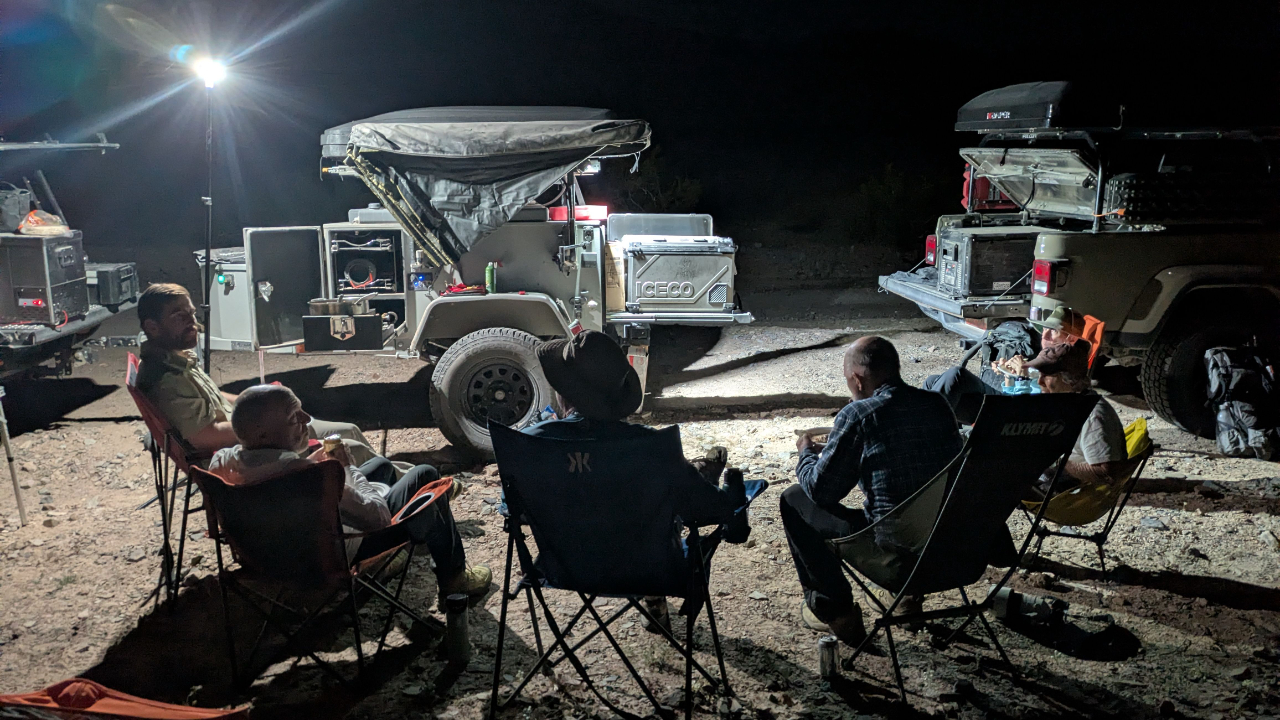
Mar 03, 2026I am relatively new to running workshops, particularly here with Nature Photography Collective. But I am also observant enough to pick up on a few trends that should be pointed out in order to have the most successful in field experience with us.
We can do a lot to help you have a good time, but there are a few challenges that can really hamper your experience. So today I am going to point out a few so you do not suffer from a bad experience that is beyond our control.
Common Problems
These are the common problems people run into.
- Cold at night while sleeping
- Wrong type of head to their tripod
- Tripod issues
- Camera settings
- Managing Temperatures (hot and cold)
- Lens issues.
The Solutions
Cold at Night While Sleeping
In the winter temperatures can drop, even in the desert. This is the reality with dealing with winter and going outdoors. I cannot stop the earth from changing temperature, but I can make a few suggestions. First- look into the concepts around layering and what you should bring especially sleeping gear. Often this can solve 80% of the problems we run into. In the end, if you are joining us for camping be prepared for potentially nippy nights particularly in winter.
Second, sleeping bag ratings. There are a few things you should understand about sleeping bags. Some sleeping bags are rated to keep you alive at their rating wile others will be comfortable at their cold end rating. The better the brand the more information they share. Below is an example of the company Zenbivy and their backpacking quilts and their limit/ comfort ratings for a few of their bags.

I have two recommendations, either bring a 15 degree bag or a 35 degree bag. For all winter, bring at 15 degree bag and for shoulder seasons and summer bring a 35 degree bag. I do not personally like sleeping in temperatures below 25 degrees, so I try to create workshops where that will probably not happen.
A good bag plus some layering will go a long way.
Wrong Tripod Head
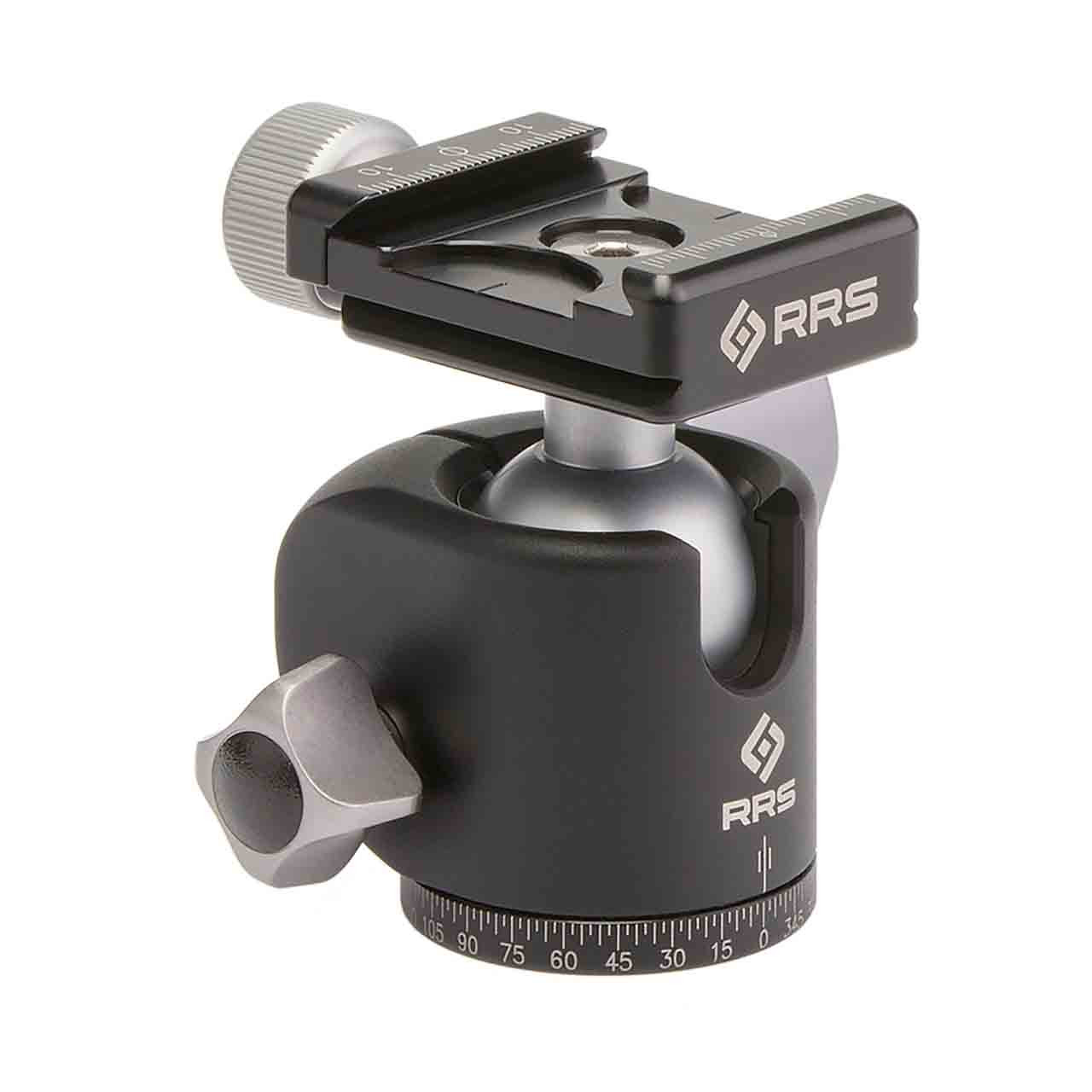
This is one I where I should be very clear. For a landscape photography workshop, try to bring a tripod with a ball head. For a wildlife focused workshop bring a gimbal head. Though a gimbal can be used for landscape photography, the reality it is very very hard and ends up getting in the way rather than helping. Everyone who I have seen bring a gimbal head has to fight it the entire time. Really Right Stuff and FLM make nice ball heads.
One thing to note, as of this time we are not sponsored by the above brands, they are just companies that our guides use, so I trust them.
Tripod Issues
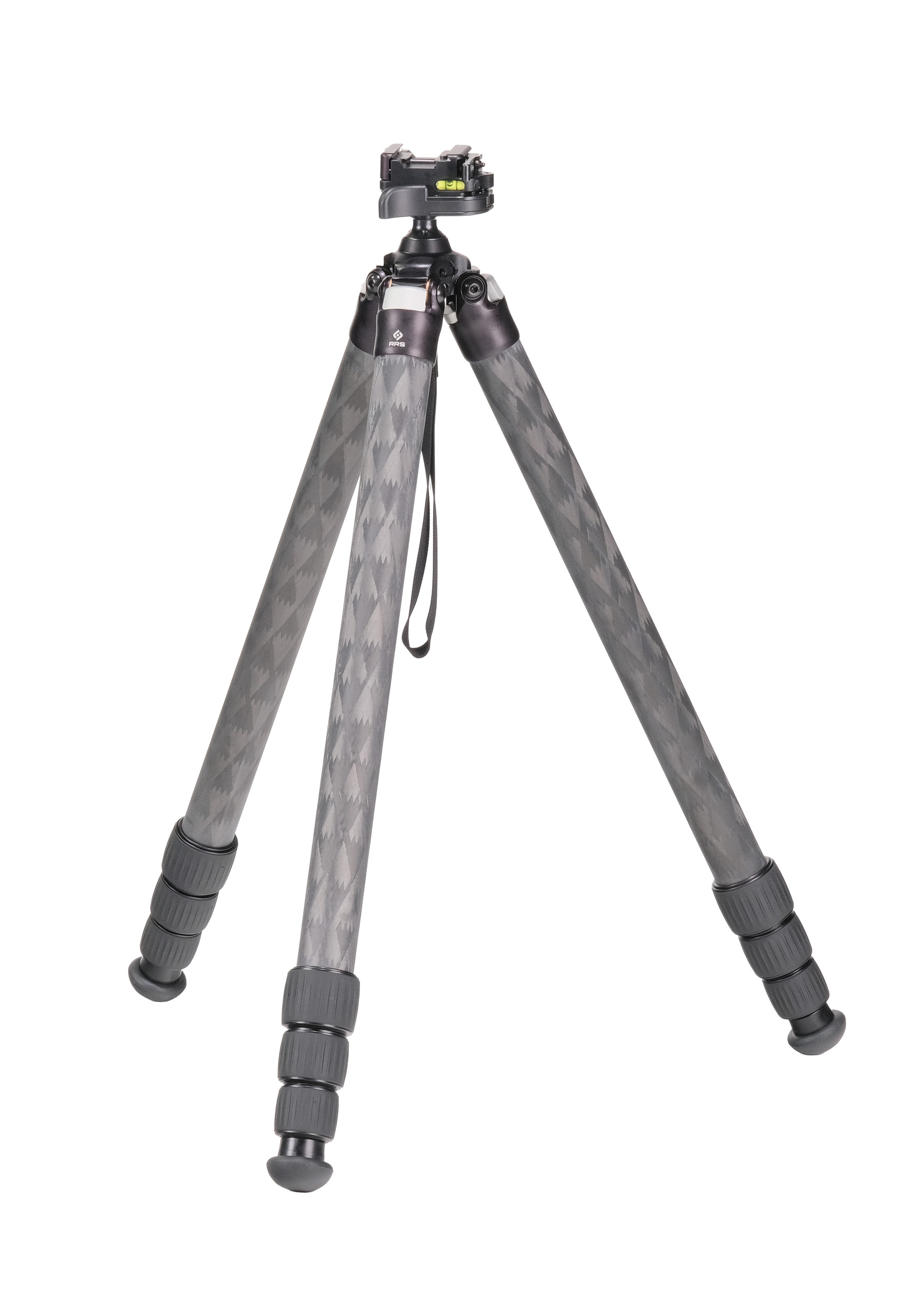
I am generally opposed to center column tripods. I used one for about 3 years, so I know exactly what its like to use one, why you use one and why to switch. They are fine, but not great. If you can make it so the center column can get out of the way, then I suggest you bring that. If not, a tripod without a center column will serve you pretty well. This is a suggestion and I won't complain if you bring one, I just see the frustration from guests who use them.
Camera Settings
This is one where I am going to suggest some settings to get yourself out of your own way. The more energy you put into your camera settings, the less you can put towards creating art and composition. This is my recommendation for a landscape photography workshop.
- Back button autofocus and remove focus from the shutter release. In low light this is a game changer.
- Turn on touch screen image taking if applicable.
- Set your ISO to 100 and your F/stop to f11. This is not a law and you should adjust these as needed, but as needed. Since we are shooting on tripods most of the time, let shutter speed do most of the work. When situations arrive where we need to change our exposure triangle, we will do so.
- Shoot RAW
- Set your white balance to either Shade, Overcast (cloudy) or as Murray suggests K5500. You can change it in post. Once you get comfortable with how your settings, you can begin fiddling with this more.
Managing Temperatures While Hiking
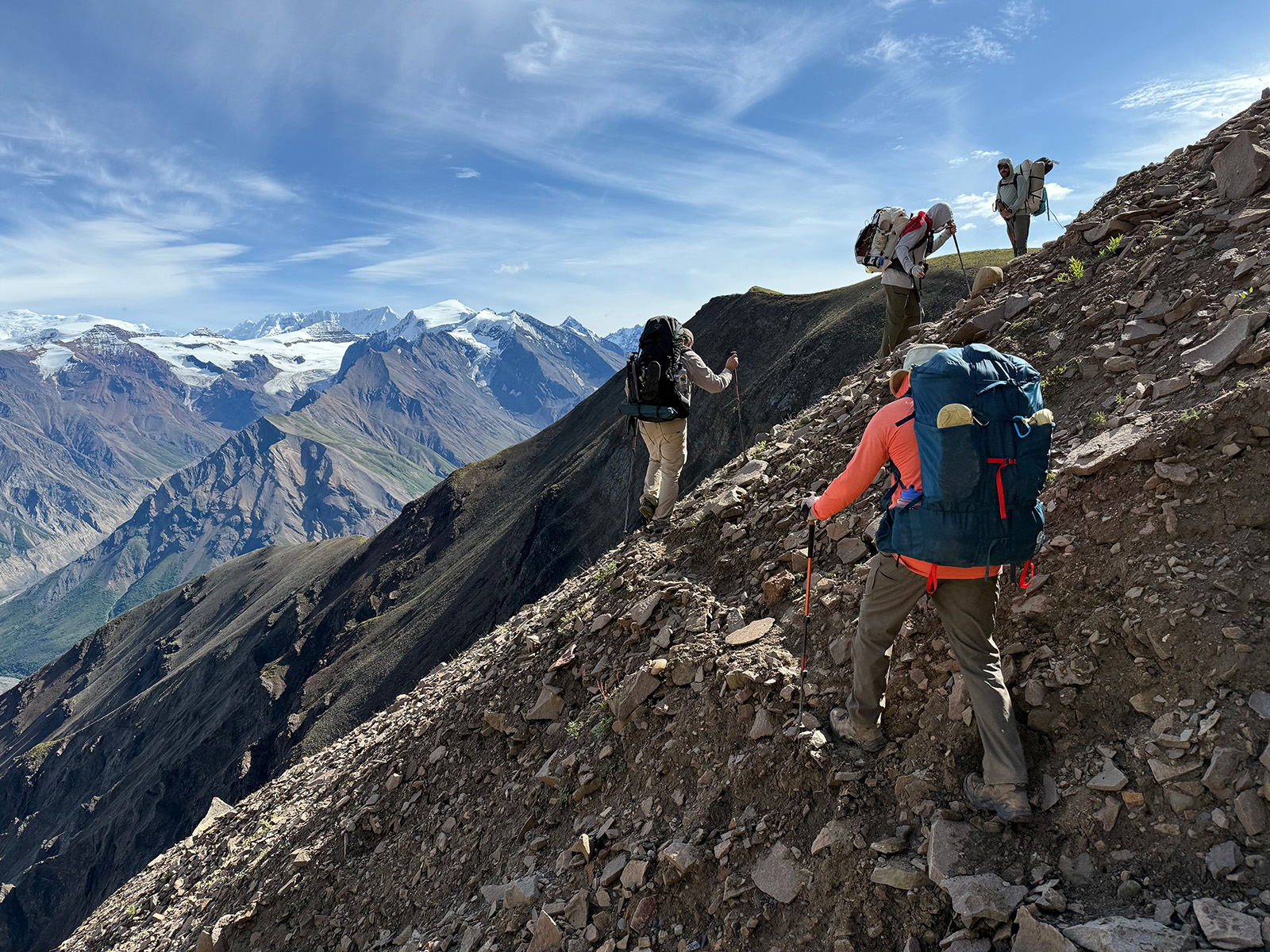
Overheating is a serious concern that can make a good trip go bad quick. Things you should bring to reduce this. Loose baggy clothing, long sleeves and a hat to keep the sun off your face. Drink water before you head out to the location and make sure you have plenty of water before you leave.
Getting cold isn't usually an issue while hiking, but once we get to a location we may end up standing around waiting for conditions to get good. Please bring the right layers and a backpack that can carry them. Being able to add layers after we reach the final spot can make a photographic experience much more enjoyable.
Lenses
Now I do not care if you use a fixed prime. If the prime gets in your way, then it is not working for you. I suggest having zoom lenses and if you can have the holy trinity of lenses OR that coverage in some form or another. Having these zoom lenses will serve you very well on a photography workshop.
I bring the following: a 14-35mm, a 24-105mm, a 70-200mm and a 100-500mm. I generally leave behind the 24-105 and the 100-500 UNLESS I know there is a need. In general, that means I only carry two lenses on me at any given time, with an occasional third lens. I think Nic only uses two or three lenses. Murray uses a 24-105 and a 100-500 most of the time and doesn't bother with the ultra wide.
One final note on lenses and cameras. I know some photographers talk about older lenses being perfectly fine, and many are. But I can tell you right now, newer lenses are much much better at focusing than older ones. Newer lenses on newer camera bodies can focus so much more effectively than older cameras and older lenses. This is a suggestion, but its one that I have not regretted since moved to the R system for canon.
Do What Makes You Happy
In the end do what makes you happy. That is the most important part of photography. I don't want to change your settings if you are happy with them. I am just trying to make it easier for you to take great images. The most important thing you can do is get to know your camera inside and out. As you do that, your photographic experience will get better and better.
Stay Connected with News and Updates!
Join my mailing list to receive the latest news and updates from me. Choose the topic you are most interested in and I'll focus on sending you personalized content. Don't worry, your information will not be shared.
We hate SPAM. We will never sell your information, for any reason.
Author

I love writing almost as much as I love photography and hope that the posts and articles that I share through my blog will help you develop your photography skills further. Enjoy the read and remember to sign up to receive monthly news of the topics that interest you most.
